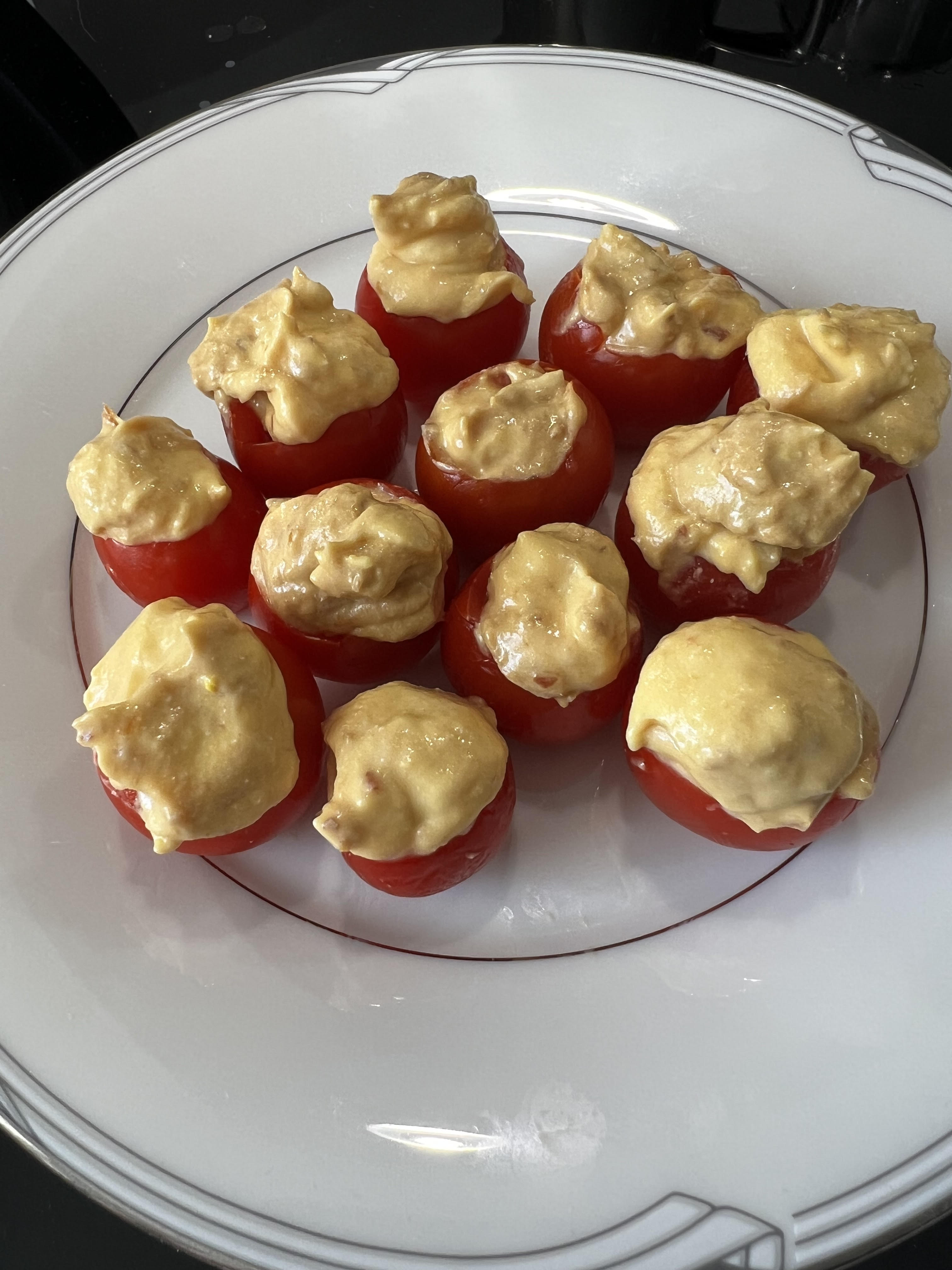
Cherry Tomatoes Stuffed with Feta and Nectarine

0

Summertime, and a warm day just cries out for a cool, cool, treat. Especially here in São João do Estoril, Portugal, where it’s supposed to be 33°C (or 92°F) tomorrow.

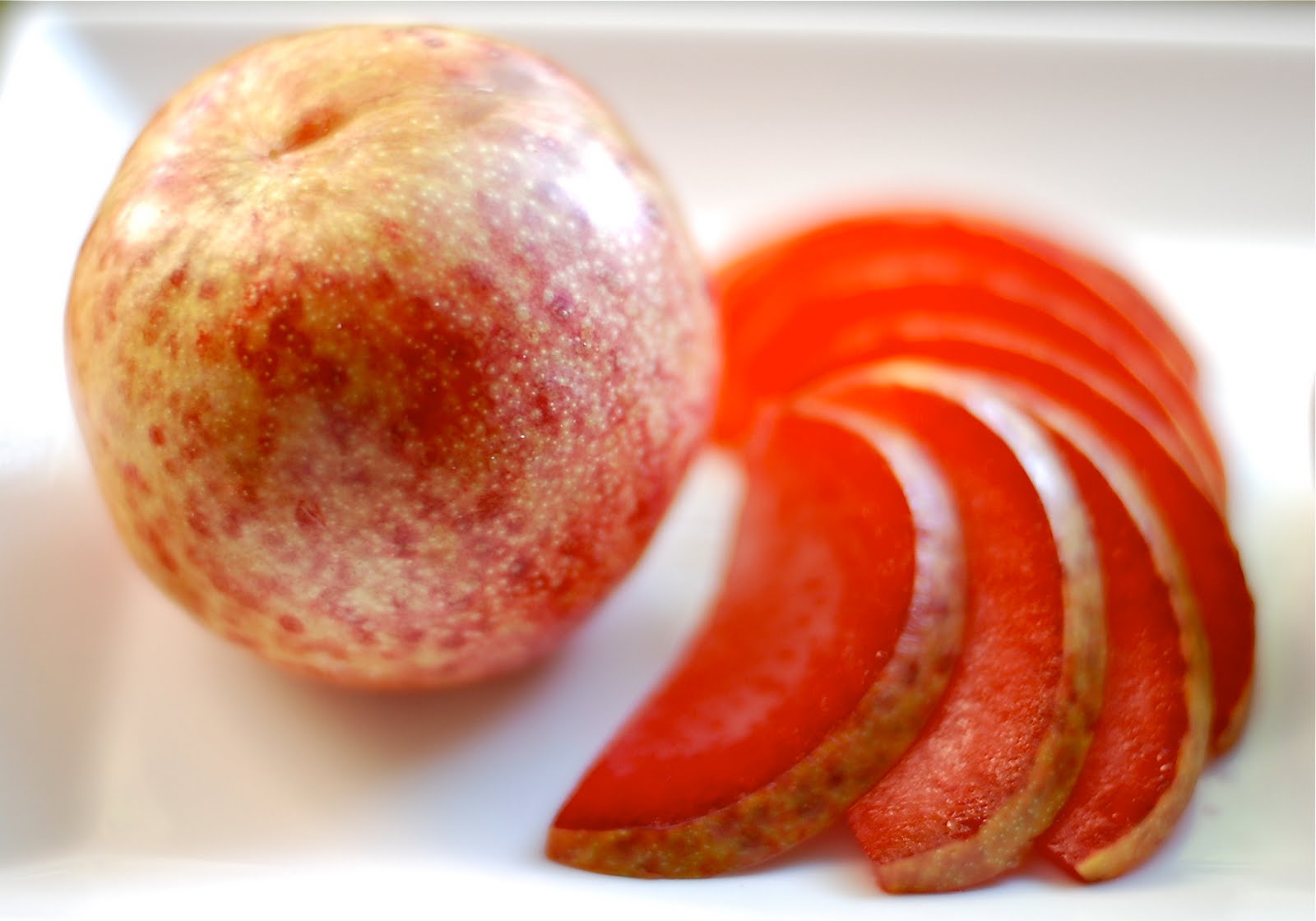
It’s tomato season, and stone fruit season, and the two fit together in a tangy yin-yang, especially with a little cheese to bind them. I have to admit I stumbled across the idea by accident, when I was slicing a nectarine with a knife I’d previously used for Feta (kids, don’t try this at home; I should have used a fresh knife to avoid cross-contamination). The salt of the cheese and the sweet of the fruit reminded me of kissing Kim Wilson sometime back in the Pleistocene. Wherever that taste came from, I wanted more.

I’m guessing that this could work equally well with apricot or plum or peach, and bleu cheese or Roquefort or Gorgonzola (though they are more pungent than Feta, so you might have to adjust the ratio). Why nectarine? In the words of my pal Mel Brooks, “Half a peach, half a plum, it’s a helluva fruit!”

This is easy to make, unless you wanna get all super fancy. Mix the cheese and fruit in a food processor, chill it, pipe it into the tomato, chill until serving. I could have blanched and peeled the nectarine, but firstly, you will want to use a ripe nectarine, and secondly, did I mention it was summer? Too darn hot to be boiling water if you don’t have to.
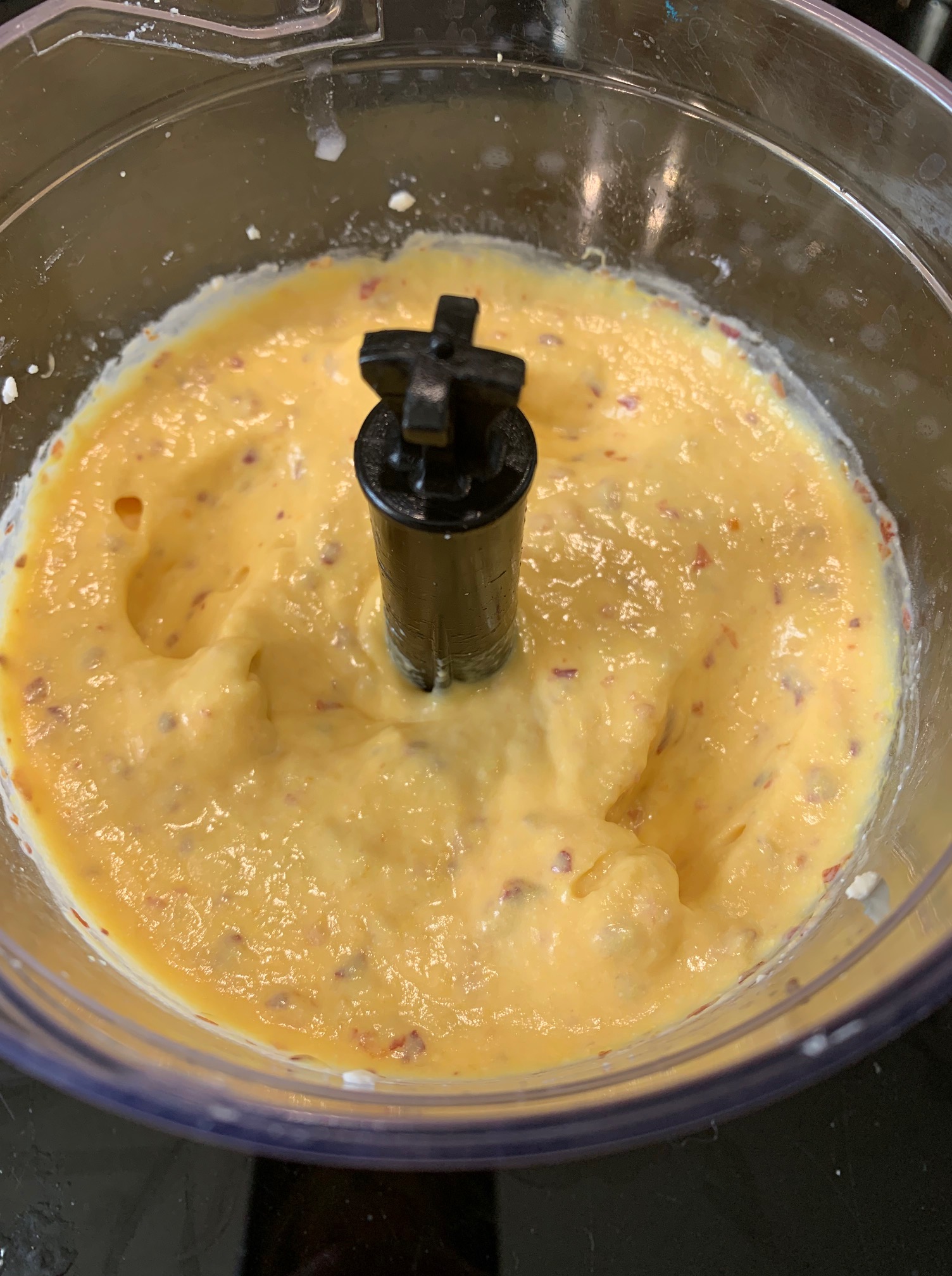
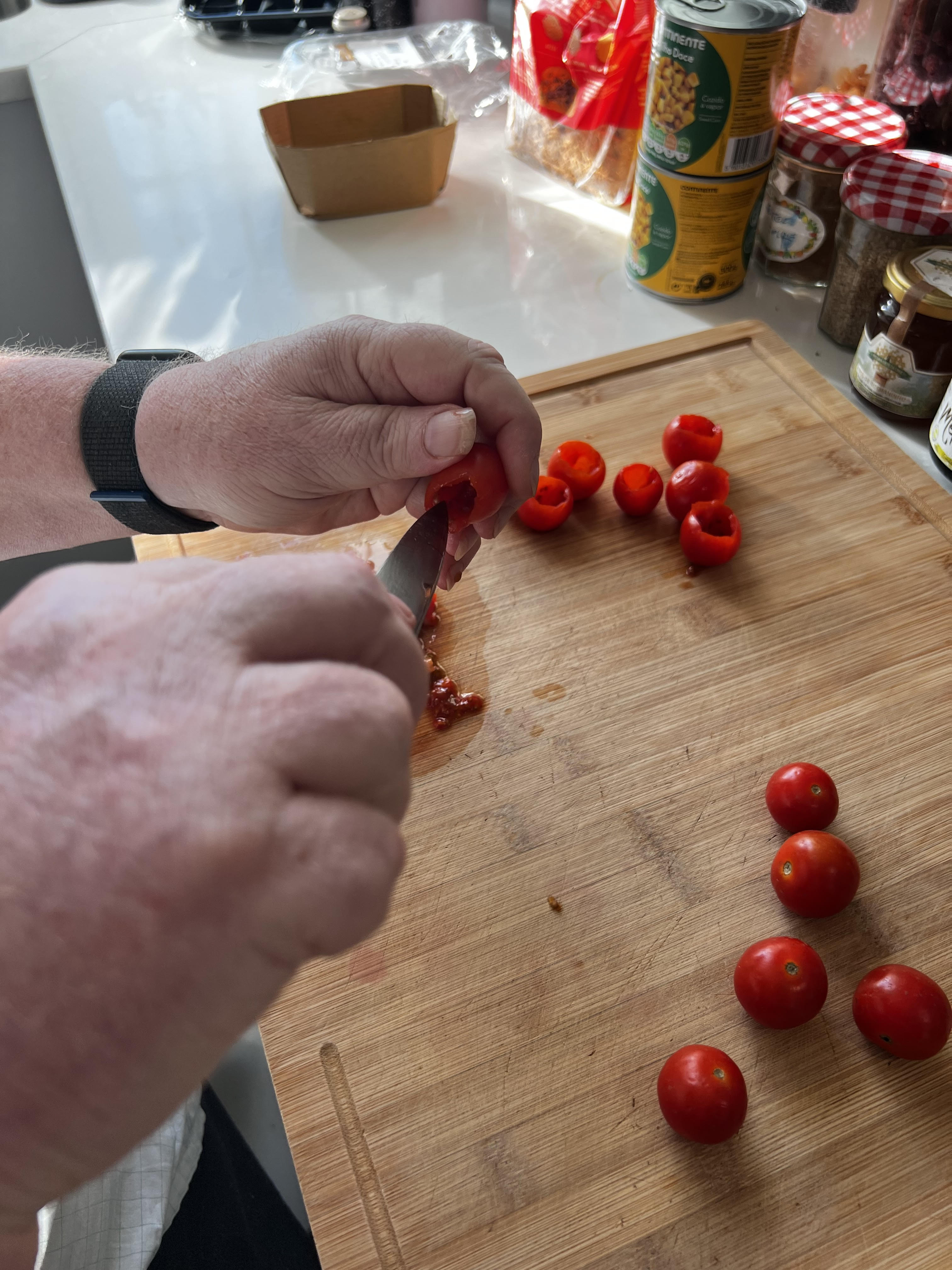
The recipe is simple: two parts nectarine to one part Feta. I used two sizeable nectarines totalling about 300 grams, and one 150g package of Feta (drained). Blend in a food processor. Scoop out the guts of your cherry tomatoes (this will fill a couple dozen easily), and pipe in the mix. Because I was only making a dozen, I just spooned in the mix with a demitasse spoon, so the final product didn’t look quite as elegant as it could have. Our guests were kind enough to pretend not to notice.

INGREDIENTS (makes about two dozen tomatoes)

1 package cherry tomatoes (the larger the tomato, the better, as far as ease of stuffing goes)
2 nectarines, ripe (a little over 300g / 10 oz.)
150g / 5 oz. Feta cheese
It Can Drive You Plum Loco

0

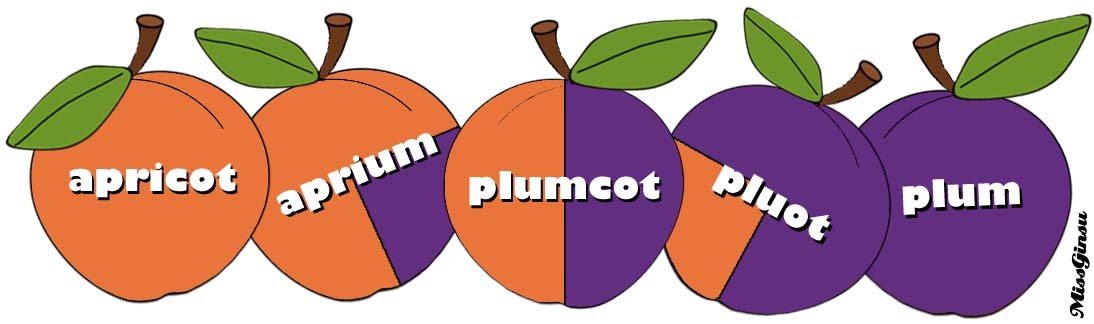
A Rough Guide to Apricot/Plum Hybrids.

A Rough Guide to Apricot/Plum Hybrids.

Oh, if it were only that simple.

Stonefruit season is upon us (well, for those of us in the Northern Hemisphere), and that generally means a dazzling — if short-lived — array of tasty choices in stores and at farmers’ markets. One of the most puzzling aspects of this seasonal bounty, for many people, is the variety of options found along the apricot-plum continuum. Pluots, plumcots, apriums, apriplums… aren’t they all just different names for the same thing, a cross between an apricot and a plum? Well, yes and no. Yes, they are all the genetically-crossed offspring of the two main fruits, but no, they are NOT all the same.

Ladies and gentlemen, the plumcot.

Ladies and gentlemen, the plumcot.

To find out where all this confusion started, let’s jump into the Wayback Machine, and set the date for, oh, somewhere around the turn of the 20th century. Horticulturist Luther Burbank pulled off a trick that most folks thought was impossible: he managed to cross an apricot with a plum. As noted in the 1909 publication The Scientific Aspects of Luther Burbank’s Work, “[t]he plum-cot, however, has not yet become a fixed variety and may never be, as it tends to revert to the plum and the apricot about equally, although with a tendency to remain fixed, which tendency may be made permanent.” Unfortunately, this slipperiness between reversion and fixation, along with a bad rep among farmers for difficulty in harvesting and shipping, relegated Burbank’s science experiment to the fringes of the commercial spectrum.

The Pluot® (pronounced PLEW-ott, not ploo-OH).

The Pluot® (pronounced PLEW-ott, not ploo-OH).

Fast-forward to the 1970’s, and another gifted horticulturalist, Floyd Zaiger, built upon the foundation of Burbank’s original work to begin to develop the next-generation plumcot. [Actually, it was multiple generations, but that’s a little beside the point.] By varying the mix from Burbank’s 50-50 to approximately 75% plum and 25% apricot, he developed a hardier and tastier fruit. Subsequently, he and his family fine-tuned their efforts, so that the modern version is closer to a 65-35 mix… more or less. To distinguish his cross from Burbank’s less successful effort, his company, Zaiger’s Inc. Genetics, registered the name Pluot® (pronounced PLEW-ott, not ploo-OH) in 1990. [Technically, the name needs to be capitalized and appear with the marca registrada after it.]

The Pluot®'s mirror image, the Aprium®.

The Pluot®’s mirror image, the Aprium®.

Subsequently, Zaiger’s firm flipped the Pluot® formula on its head and produced the Aprium®. While other horticulturists have done work in the same field, their fruits are not legally permitted to be called Aprium® or Pluot®, hence the somewhat inelegant moniker apriplum (more apricot than plum by varying degrees) and the commercial rebirth of the plumcot (more plum than apricot). Zaiger is still alive, incidentally, and is credited with having developed more than 47 varieties of stonefruit that are under cultivation in Calfornia alone. Not content to rest on their laurels, the Zaigers are breeding even more new kinds of hybrids such as NectaPlum® (nectarine/plum), Peacotum® (peach/apricot/plum), Pluerry™ (plum/cherry), white apricots, flat peaches and nectarines, albino selections, and fuzzy plums.

I’m not sure who exactly ever registered the complaint that plums just weren’t fuzzy enough, but if they’re out there, they haven’t long until their dreams come to, er, fruition.

Oh, and just to add to the confusion, certain plums these days are being marketed as “fresh prunes,” a far cry from the recent past, when prunes were thought of as being used primarily for constipation relief — hence the appearance of “dried plums” in the marketplace. It can drive a person plum loco. Or crazy. Or insane. Which are not all exactly the same thing, but — like our stonefruit analogue — they all come from the same basic idea.